lighter

Lighter Soft Flint

This is a flint no lighter enthusiast can resist. It produces extra large sparks and delivers an excellent ignition rate. Made of soft material, it won’t damage the lighter wheel. It also offers an ex

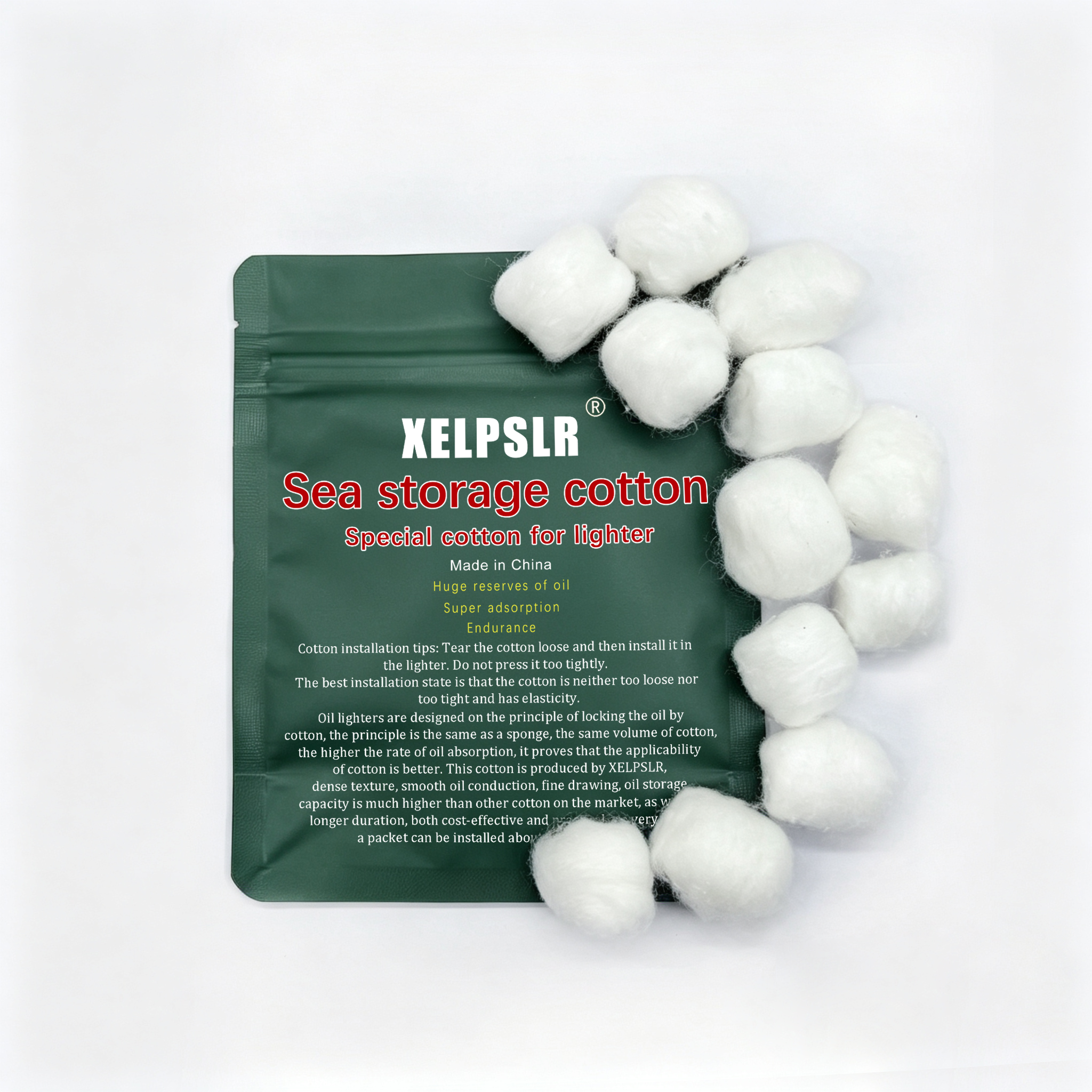
Special Cotton for Lighters

The working principle of kerosene lighters lies in using cotton to lock kerosene, just like a sponge. For cotton of the same volume, the higher the oil absorption rate, the better its applicability.

Qiansuo Wick

The design principle of kerosene lighters relies on the wick to conduct oil, so the quality of the wick determines the ignition rate of the lighter. This Qiansuo lighter wick is made of pure cotton c

Lighter Wick Leader

Qiansuo Wick

The design principle of kerosene lighters relies on the wick to conduct oil, so the quality of the wick determines the ignition rate of the lighter. This Qiansuo lighter wick is made of pure cotton combined with special oil-conducting filaments through a unique craftsmanship. It ensures smooth oil conduction and delivers a higher ignition rate. Meanwhile, it adopts an inner and outer weaving process for a tight structure, effectively preventing the lighter wick from fraying at the ends. For the convenience of lighter enthusiasts, it is fitted with a manually installed guiding needle, making wick replacement quick and effortless.

QUESTIONS

Which countries can we ship to?

the United States (USA / US)

Canada

all European countries / entire Europe

How Long Does One Lighter Flint Last?

Usage TimeBreakdown

1.Light use (5–10 ignitions per day): One flint lasts 2 to 3 months. For collection pieces used rarely, it can last over half a year.

2.Moderate daily use (15–20 ignitions daily): One flint works reliably for 1–1.5 months.

3.Heavy frequent use (30+ ignitions daily / trick fire spinning / outdoor lighting): It will wear out faster, needing replacement every 2–3 weeks.

What Causes Low Ignition Rate on a Lighter?

1. Flint Condition (Top Cause)

  • Hard low‑quality flints only generate tiny, low‑temperature sparks that fail to ignite fuel vapor easily.
  • Worn‑out short flints lose spark brightness after long use.
  • Wrong flint size: an undersized flint wobbles loose, while an oversized one jams the mechanism, both leading to empty wheel spinning with no spark.
     
    Tip: Replace with XELPSLR ultra‑soft flints. They deliver strong, bright sparks on the first strike and come in a full range of sizes for a much higher ignition success rate.

2. Wick Fuel Delivery

  • Heavily carbonized black wick blocks capillary fuel flow, so no kerosene vapor reaches the tip even when sparks appear.
  • Loosely woven cheap wicks deliver oil unevenly with weak flame output.
  • Over‑trimmed wicks leave too much distance between fuel and the spark point.
     
    Tip: Upgrade to Qiansuo anti‑carbonization braided wick. Lay the wick in an S‑shape inside the cotton for steady fuel supply.

3. Condition of the Flint Wheel

  • Worn, dull gear teeth worn down by hard flints can no longer scrape off sparks efficiently.
  • Dirt and grease trapped between wheel teeth reduce friction and spark generation.
     
    Soft flints protect the wheel surface and slow down long‑term wear.

4. Fuel Quality & Fuel Level

  • Too little kerosene inside the case leaves the wick poorly saturated.
  • Low‑grade lighter fluid has poor volatility and contains impurities hard to ignite.
  • Over‑filling leaks fuel onto the wheel and causes slipping.

5. Inner Cotton Packing

Old, clumped absorbent cotton loses its ability to store and release kerosene evenly, resulting in inconsistent fuel supply and frequent ignition failure.

6. Surrounding Environment

  • High humidity dampens fuel vapor and extinguishes tiny sparks.
  • Strong wind blows out the flame right after ignition.
  • Cold temperatures slow fuel evaporation and make lighting harder.

7. User Habits

Excessive dry spinning of the wheel and improper striking angle waste flint, wet the wick tip, and further reduce ignition reliability.

Subscribe to our email list

Get the best deals to your email

Enter a valid email address

Thank you!

We look forward to keeping you posted.